- Organizational development improves performance through people, culture, and leadership
- It connects strategy with employee experience and behavior
- Feedback-driven tools make development measurable and actionable
Organizational development is a structured and continuous approach to improving how organizations function. It focuses on people, leadership, culture, and processes.
In HR practice, organizational development is not a one-time initiative. It is a long-term effort to align business goals with employee behavior and engagement.
Companies that invest in organizational development create stronger alignment between strategy and execution. They also build more resilient teams.
Why Organizational Development Matters Today
Organizations operate in constant change. Markets shift. Employee expectations evolve. Leadership challenges increase.
Without a clear organizational development approach, companies face:
Low employee engagement
Resistance to change
Weak leadership alignment
Inefficient collaboration
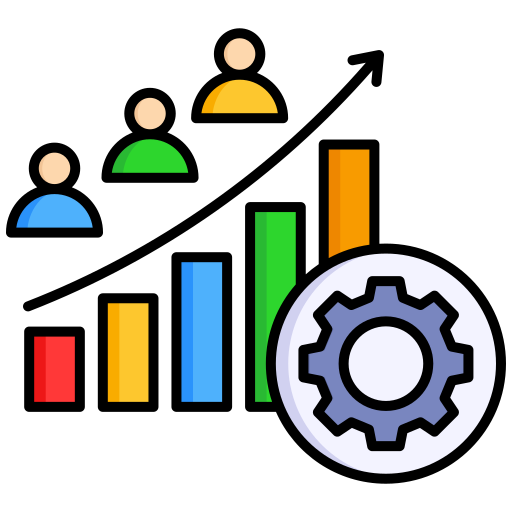
With the right approach, organizations improve both performance and work environment.
Leadership Support addresses these challenges through feedback-based tools. that support leadership development, employee engagement, and change alignment.
The Core Elements of Organizational Development
Organizational development is built around several key pillars. Each one influences the others.
These include:
- Leadership capability and decision-making
- Team dynamics and collaboration
- Organizational culture and values
- Change readiness and adaptability
- Employee engagement and motivation
When one area is weak, the entire system is affected.
For example, strong strategy without leadership alignment often leads to poor execution.
How Organizational Development Works in Practice
Organizational development follows a structured process. It is not based on assumptions. It is driven by data and feedback.
A typical process includes:
1. Diagnosing current challenges through feedback and analysis
2. Identifying gaps in leadership, culture, or engagement
3. Designing targeted development initiatives
4. Implementing tools, training, and communication
5. Measuring progress and adjusting actions
This cycle ensures continuous improvement rather than isolated efforts.
Blended Leading complements this approach by combining real-time data, personalized insights, and continuous leadership development in everyday work.
Practical Example from HR
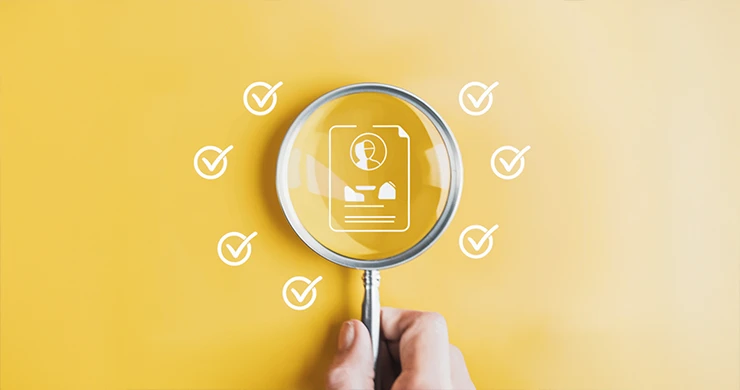
Consider a company struggling with employee disengagement.
Instead of launching generic training, HR applies organizational development principles.
They:
Collect feedback from employees and managers
Identify gaps in leadership communication
Introduce targeted leadership development
Track improvements through regular feedback
The result is not just higher engagement. It is a more aligned and motivated organization.
The Role of Feedback in Organizational Development
Feedback is the backbone of effective organizational development.
Without feedback, leaders rely on assumptions. With feedback, they gain clarity.
Modern organizations use tools such as:
These tools provide insights into how employees experience leadership, culture, and change.
For example, structured feedback systems help compare self-perception with external perception. This supports individual development and highlights organizational trends.
Common Challenges in Organizational Development
Even well-designed initiatives can fail without the right approach.
Typical challenges include:
Lack of leadership commitment
Poor communication
Resistance to change
Over-reliance on one-time training
Missing follow-up and measurement
To overcome these challenges, organizations need consistency and data-driven decisions.
Pro Tip
Start small but stay consistent. Instead of launching large transformation programs, begin with one focused initiative. Measure results. Learn. Then scale. Consistency creates sustainable change.
How to Get Started
If you want to implement organizational development in your company, focus on clarity and structure.
Ask yourself:
What are the biggest challenges in leadership and culture?
Where do employees feel disconnected?
How is feedback currently used?
Then take the first step with a structured approach and the right tools.
FAQs

What is organizational development in simple terms?
It is a structured way to improve how a company works by focusing on people, leadership, and culture.
Is organizational development part of HR?
Yes. It is a key HR function focused on long-term organizational effectiveness.
What tools are used in organizational development?
Common tools include surveys, 360-degree feedback, coaching, and leadership development programs.
Why does organizational development fail?
It often fails due to lack of leadership support, poor communication, or missing follow-up.
How long does organizational development take?
It is an ongoing process, not a one-time project.
If you want to strengthen your organizational development approach, we can support you with proven methods and practical tools. Feel free to reach out and explore how this can work in your context. Book an appointment.